Mushroom Wrapper That Could Replace Plastic Wrap
Mushroom Wrapper That Could Replace Plastic Wrap The magic ingredient is actually mycelium, which the root-like structure of mushrooms that you’d find threading underground in forests all over the world. Picture a dense tangle of ultra-fine, feathery strands. These strands are naturally waterproof, which makes sense when you think about it as they evolved to survive in damp, decomposing wood without turning to mush.
The researchers combined this mycelium with nanofibrils (tiny wood cellulose fibres used in papermaking) and created a coating that resists water, oil, and grease. They brushed it onto paper, denim, wood veneer, even polyester felt, then let it dry in an oven for about a day.
After three days of fungal growth in warm conditions, they had a waterproof barrier about as thick as a coat of paint.
The proof was in the pudding, or rather, in the droplets. When they placed water on the treated surfaces, it beaded up and rolled right off. On untreated materials, the water just spread out and soaked in. The coating also repelled fuel, solvents, and castor oil.
Why This Matters
“Our hope is that by providing more ways to potentially reduce our reliance on single-use plastics, we can help lessen the waste that ends up in landfills and the ocean,” says Caitlin Howell, the study’s lead researcher. “Nature offers elegant, sustainable solutions to help us get there.”
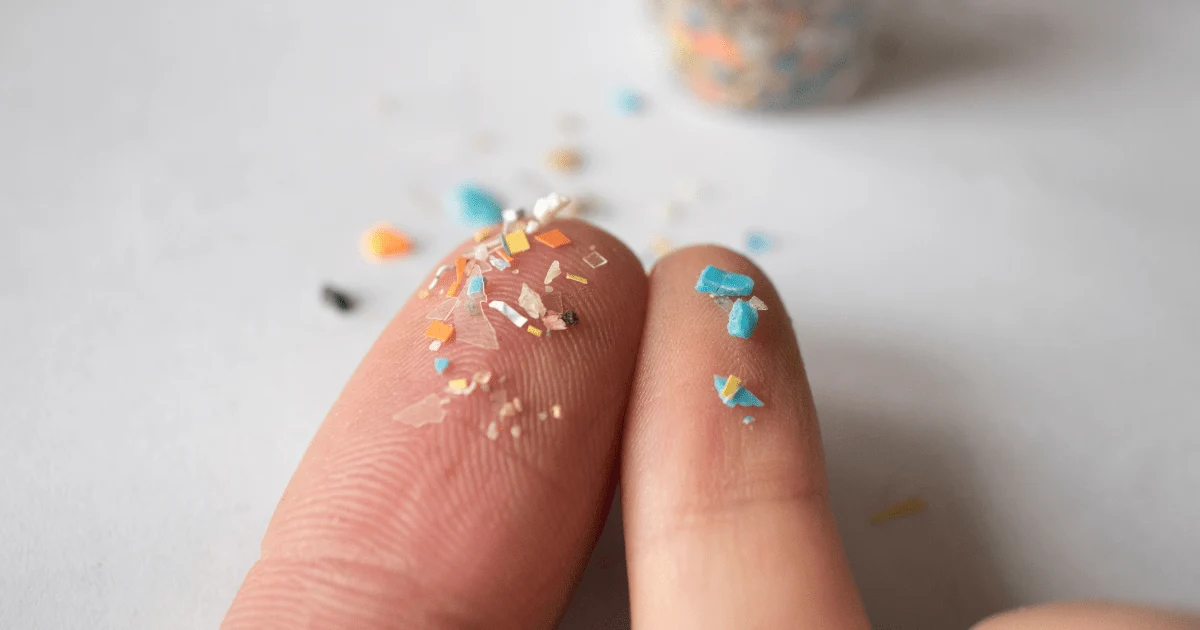
And we need those solutions. Single-use plastics are everywhere, and they’re not going anywhere, unfortunatley. They sit in landfills for centuries or break down into microplastics that end up in the ocean, in our food, in basically everything. The idea of replacing them with something that naturally biodegrades is the kind of innovation that’s needed.

Mushrooms Are Having a Moment
This isn’t the only time fungi are popping up as a building material, either. Scientists in Singapore have created tiles from oyster mushroom mycelium and leftover bamboo scraps (they look like elephant skin and are designed to help buildings stay cool in summer and retain heat in winter). In Britain, researchers are developing “mycocrete,” a concrete alternative made from mycelium and grains.
It’s almost poetic, really. We’ve spent decades engineering synthetic materials that nature can’t break down, and now we’re turning back to nature itself for materials that work just as well but don’t stick around forever.
The University of Maine team published their findings in the journal Langmuir this month. We’re probably still a few years away from wrapping our sandwiches in mushroom-coated paper, but the fact that it’s even possible is encouraging.